
"South American coffee regions"
1000 article(s) found

Flavor and taste characteristics of Colombian coffee beans why Colombian coffee is sour than South American coffee
Please pay attention to the coffee workshop (Wechat official account cafe_style) Colombia is the world's third largest coffee producer and exporter (the first is Brazil and the second is Vietnam) is the world's largest exporter of Arabica coffee beans, Colombia and the largest coffee producer Brazil, northwest bordering Panama, we know that Panama is rich in rose summer, the best rose summer variety in the world.

Introduction to the characteristics of Peruvian Coffee Flavor description with delicious acidity and Grinding degree treatment
Peru is located in western South America, with a coastline of 2254 kilometers. The Andes runs from north to south, and the mountains account for 1% of the country's area. it belongs to the tropical desert region with a dry and mild climate. Peruvian coffee is mostly grown at the foot of the Andes, where it is rich in traditional Central American top coffee beans. Peruvian coffee beans grown in the central part of the country and Cusco in the south

Guatemala coffee bean species planting status grading grade taste flavor description of the story characteristics of the producing area
Following Cafe (official Wechat account vdailycom) found that the Beautiful Cafe opened its own shop in the Republic of Guatemala (Spanish: Repblica de Guatemala), translated from Taiwan as Guatemala, a country in Central America located in the south of the North American continent. It borders the Pacific Ocean to the west, the Caribbean Sea to the east, Mexico to the north, Belize to the northeast, and east to the east.

Latin American coffee bean characteristics Flavor description Taste Manor Region Variety introduction
Latin American coffee beans characteristics Flavor description Taste Manor region Variety introduction Suitable for roasting degree: Full cityfull city, roast to two explosionsFrom the beginning of the pot, whether mixed with the formula to make Espresso or brewed single, Mexican coffee beans can be said to be unique flavor. Mexican coffee ranges from Cortepe and Veracruz in the north to Pulmas in central Oaxaca.

Coffee Bean Types and Price List Commercial Wholesale Coffee Bean Quotation
Professional barista communication, please pay attention to coffee workshop (Weixin Official Accounts cafe_style) fine selection of garden-grade coffee beans national name grade region/manor/exporter roasting degree processing method half pound/yuan pound/yuan wind flavor description 2 Ethiopia Ye Jia Xue Fei (national postage) G1 Eric Cha light roasting sun 95.00 190.00 light fermentation wine fragrance

The cultivation of coffee beans in Latin America Starbucks Latin American coffee beans
The cultivation of Latin American coffee beans Starbucks Latin American coffee beans Peruvian coffee is not common internationally, and it is generally believed that its processing process is hasty, so the evaluation is not good, which is the result of previous state monopoly. In fact, Peruvian coffee has good growth conditions, and many of them are grown organically, so the quality of coffee beans has always been quite good. The famous producing area of Peruvian coffee is

Introduction to boutique coffee with rich and unique aroma and taste characteristics of Bolivian snow vein manor
In 1932, the Chaco War broke out between Bolivia and Paraguay for oil resources in the North Chaco region. Bolivia was defeated and lost a large area of territory. The people's armed uprising broke out in April 1952, and Paisdensolo, leader of the nationalist revolutionary movement, became president. Since then, there have been frequent military coups and long-term political instability. Modern assets with South American characteristics were restored in October 1983

A brief introduction to the three major coffee producing areas A guide to literacy for newcomers in the three major coffee producing areas and their characteristics
Professional coffee knowledge exchange more coffee bean information please follow coffee workshop (Wechat official account cafe_style) front street-three major coffee producing areas introduce coffee is divided into three major regions: Latin America, Africa, Asia-Pacific region. Latin America: its coffee-growing areas include Mexico, Central and South American countries. Coffee in Latin America tends to be as balanced as cocoa or nuts.

What are the characteristics of Bolivian coffee beans? how does Bolivian coffee taste?
Professional coffee knowledge exchange more information about coffee beans Please follow the coffee workshop (Wechat official account cafe_style) Bolivia is one of the most difficult growing areas in the world, transportation and climate are the biggest problems. After a special relationship of origin and cooperation this year, we strongly recommend friends who love alpine coffee with rich flavors such as cherry fruit, cream, chocolate and caramel.

A brief introduction to the Regional Distribution of imported Coffee Bean producing areas in Peru SHB Fine Coffee Raw beans Peru Origin
Peruvian coffee is grown in a planned way, which has greatly increased coffee production. Its rich acidity and mellow smoothness are its most prominent features. Peruvian coffee has a soft sour taste, medium texture, good taste and aroma, and is an indispensable ingredient in the production of comprehensive coffee. High-quality Peruvian coffee with a strong aroma, smooth, layered and full-bodied
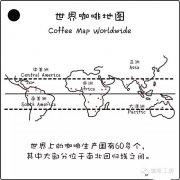
Coffee tasting | learn coffee from balanced American beans.
When it comes to boutique coffee, there are some vague definitions, such as variety, treatment and quality identification, but there are also some very clear definitions: only in the most favorable microclimate and soil and water can we grow boutique coffee with unique flavor. The last issue of coffee taste introduction, coffee taste introduction, drink high-quality products to distinguish the varieties! Flavor of Iron pickup and bourbon Coffee varieties

Introduction to the method of describing the Flavor of Peruvian Coffee
Peru is located in western South America, with a coastline of 2254 kilometers. The Andes runs from north to south, and the mountains account for 1% of the country's area. it belongs to the tropical desert region with a dry and mild climate. Peruvian coffee is mostly grown at the foot of the Andes, where it is rich in traditional Central American top coffee beans. Peruvian coffee beans grown in the central part of the country and Cusco in the south

Introduction to the regional treatment method for the taste and characteristics of Guatemalan coffee beans
Drinking pure Antigua coffee from Guatemala and playing a South American folk song. Our thoughts can be pulled far away, as far as we have never met before. The wise Mayans who once existed in the land of Guatemala, after a day's work under a coffee tree we have never seen before, they enjoyed authentic Guatemalan coffee after dinner and watched the sunset.
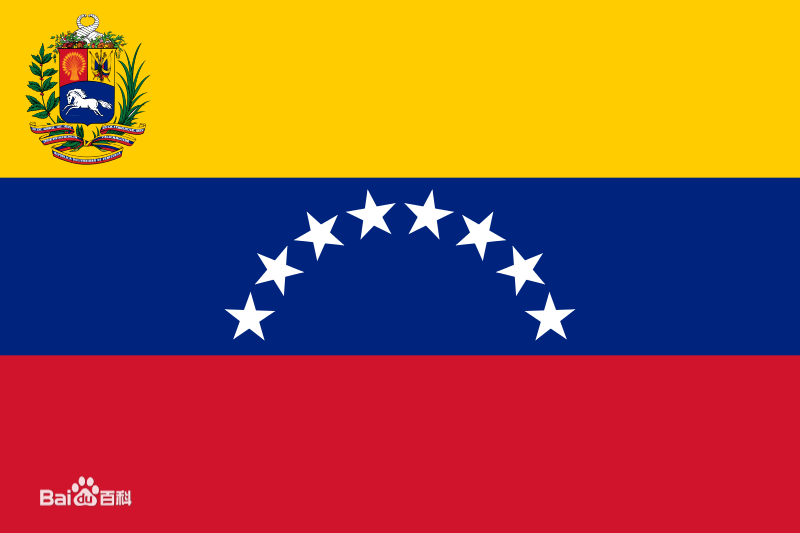
A brief introduction to the Flavor of Fine Coffee beans in the South American country of Venezuela the Bolivarian Republic of Venezuela
The distinctive manor coffee comes from this oil-rich country. Oil was once considered to be the main export of Venezuela. Although coffee trees were introduced from Martinique in 1730 and Venezuela, coffee production was almost abandoned at the height of the oil industry. Recently, coffee plantations have begun to recover, with the original planting of Tipica and
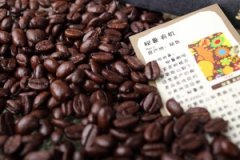
Peruvian organic coffee beans, a major coffee producer in western South America
Peruvian coffee, famous for its organic coffee. Peru (Spanish: Per; Quechua, Aymara: Piruw), the full name of the Republic of Peru (Spanish: Repblica del Per), is a country in western South America. Coffee origin: Peru (Peru) is also a major coffee producer. Up to 98% of Peruvian coffee is grown in forest areas, and most producers are

Taste and Variety characteristics of Colombian Emerald Coffee introduction to the regional treatment of manor production
Colombian Emerald Coffee Variety characteristics Taste Manor Regional treatment method Colombia, located in northwest South America, is a beautiful country with a long history. Indians have lived on this land since ancient times. It was colonized by Spain in 1531 and gained independence in 1819. It was renamed in 1886 to commemorate the discovery of the American continent.

A brief introduction to the description of flavor, taste and aroma characteristics of Latin American boutique coffee beans with excellent balanced performance
Nicaragua (Nicaragua) aroma 3.5 minutes brightness 4 mellow flavor 4 points aftertaste 4 points suitable for baking: people who like deep-baked taste of City/Full city can try Jinotega and Matagalpa, baking the second burst when the beans are dense, the flavor is thick but well balanced, with a strong bitterness, very suitable
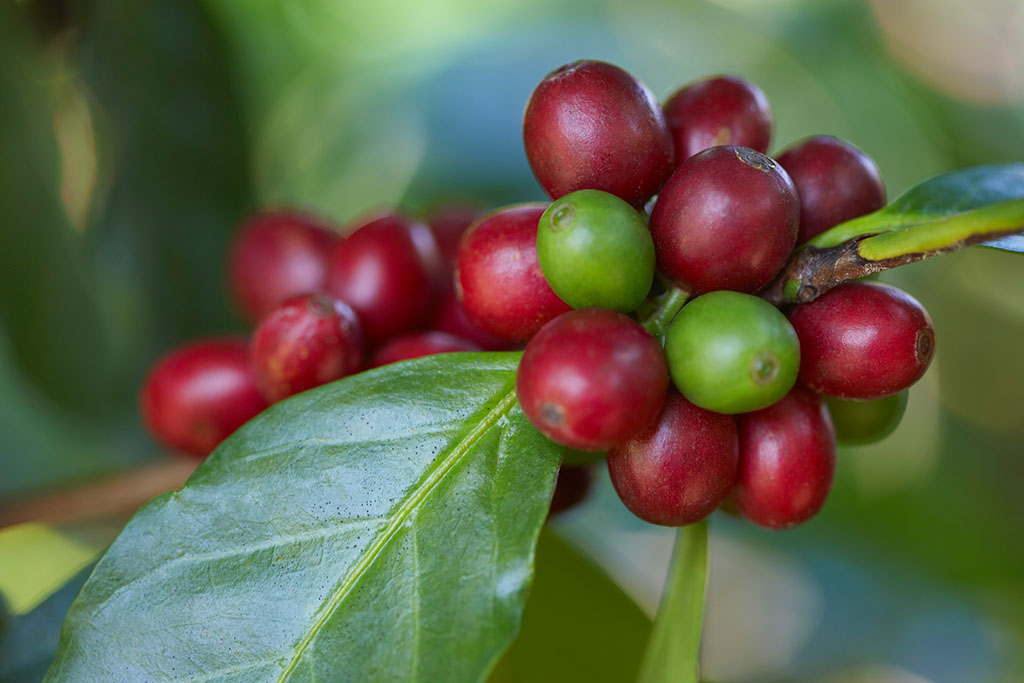
Costa Rican "complete Coffee" Central and South American boutique coffee CR flavor
Costa Rica (Costa Rica) aroma 3.5 minutes brightness 4.5 minutes mellow 3 minutes flavor 4.5 minutes aftertaste 4.5 minutes suitable for baking degree: Light/Medial/City wants to show Costa Rican perfectly balanced flavor, then absolutely can not deep baking, it is recommended that City degree, or even the end of the first explosion can be added beans, when the flavor and flavor will be both, close to the second explosion is the most baking

Huilan, Colombia, yellow honey treatment with fruit aroma boutique coffee beans-California western plum
Professional coffee knowledge exchange more coffee bean information please follow the coffee workshop (Wechat official account cafe_style) Columbian coffee cultivation is distributed along the Andes Mountains, from south to north, roughly divided into northern producing areas (green), central producing areas (orange, purple) and southern producing areas (yellow), in which orange-purple region has primary and secondary production seasons, green and yellow areas

Elegant and mild sour Peruvian Coffee Flavor description Variety characteristics of Fine Coffee
Independence was declared on July 28, 1821, and the Republic of Peru was established. On October 28, 1835, Bolivia and Peru formally merged, known as the Confederacy of Peru and Bolivia. On February 20, 1839, the Confederacy completely disintegrated. Slavery was abolished in 1854. From 1879 to 1883, Peru joined Bolivia and Chile in the South American Pacific War for saltpeter production. After Peru's defeat, Chile captured the world.